How to Get Your Items Ready for Storage (and Avoid Damage)
How to Get Your Items Ready for Storage (and Avoid Damage)
A Little Preparation Goes a Long Way
Putting items into storage is a great way to create more space—but how you prepare those items makes all the difference.
Without proper preparation, belongings can become damaged, difficult to access, or disorganized over time. Taking a few extra steps before moving items into storage helps protect everything and keeps your unit easy to manage.
Start With Clean, Dry Items
Before anything goes into storage, it should be cleaned and fully dried.
- Wipe down furniture and hard surfaces
- Vacuum upholstered items
- Clean appliances thoroughly
- Allow everything to dry completely
Storing items while they are dirty or damp can lead to odors, stains, and long-term damage.
Use Smart Packing Techniques
The way you pack your items plays a big role in how well they hold up in storage.
To protect your belongings:
- Use sturdy, stackable boxes
- Wrap fragile items with bubble wrap or packing paper
- Avoid overpacking boxes
- Seal boxes securely with tape
Consistent box sizes also make stacking easier and safer.
Label and Group Items
Labeling your boxes clearly will save you time and frustration later.
Helpful labeling tips:
- Write contents on each box
- Mark fragile items clearly
- Group similar items together
This makes it easier to locate items without unpacking everything.
Take Extra Care With Furniture
Furniture should be prepared carefully to prevent damage.
- Disassemble larger pieces if possible
- Use blankets or covers to protect surfaces
- Avoid wrapping items tightly in plastic
These steps help reduce wear, prevent moisture buildup, and keep furniture in good condition.
For more detailed tips, see A Guide to Storing Furniture Long-Term.
Organize Your Unit for Easy Access
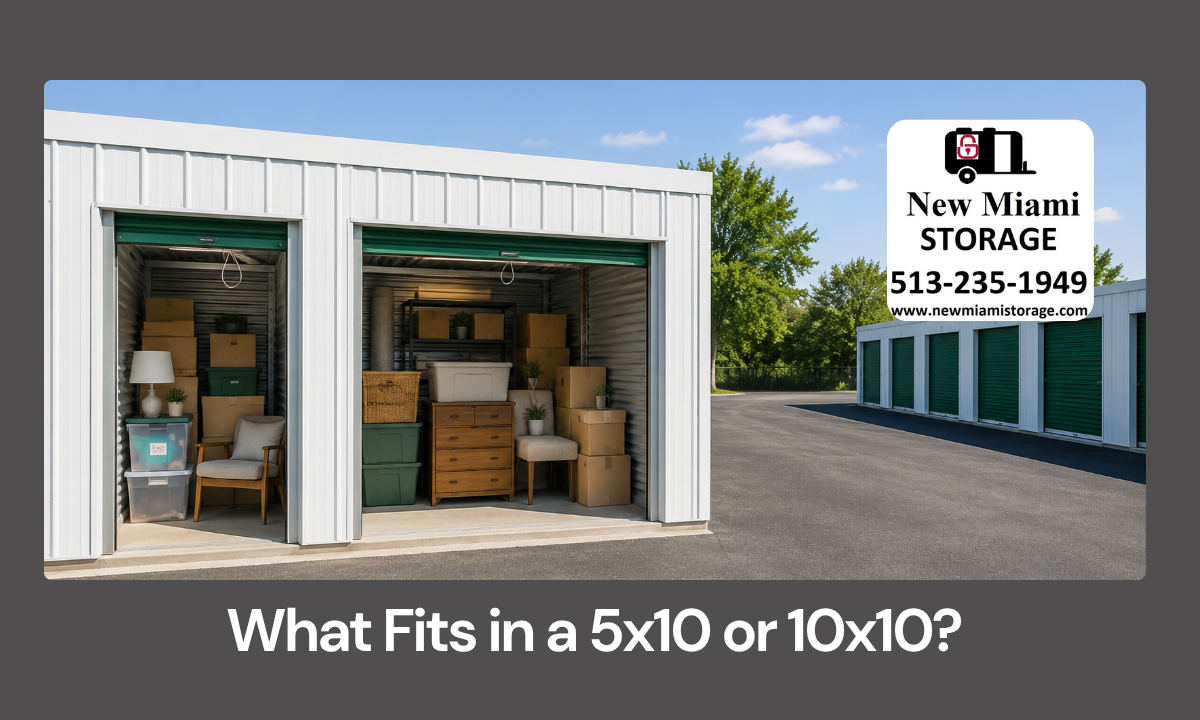
How you arrange your storage unit is just as important as how you pack your items.
- Place heavier items at the bottom
- Stack boxes carefully
- Leave space for a walkway
- Keep frequently used items near the front
Planning your layout helps protect your belongings and makes accessing them much easier.
You can also apply strategies from Getting the Most Out of Your Self Storage Space to stay organized.
Think About Storage Time
Your preparation should match how long your items will be in storage.
Short-term storage may focus more on convenience, while long-term storage requires additional protection and spacing.
If you’re unsure which approach fits your situation, Short-Term vs. Long-Term Storage: What’s Right for You? can help you decide.
Protect Your Belongings From the Start
Taking time to properly prepare your items before storage helps prevent damage, keeps your unit organized, and makes future access simple.
With the right approach, you can store your belongings with confidence and know they’ll be in great condition when you need them.
Frequently Asked Questions
Should I clean items before putting them in storage?
Yes, cleaning items helps prevent odors, stains, and potential damage over time.
What packing materials are best for storage?
Use sturdy boxes, packing paper, bubble wrap, and strong tape to protect your belongings.
Why is labeling important?
Labeling makes it easier to find items later without opening every box.
How should furniture be prepared for storage?
Clean and disassemble furniture when possible, and use breathable covers to protect surfaces.
Does organization inside the unit really matter?
Yes, a well-organized unit helps protect your items and makes access much easier.